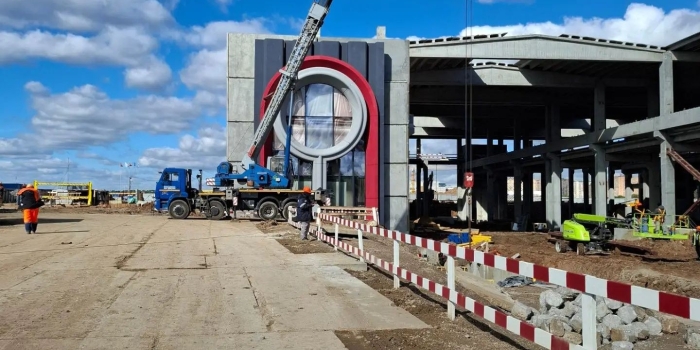
The Head Centre of Competences (HCC) of the machine-tool industry is a division of Moscow State Technological University Stankin.
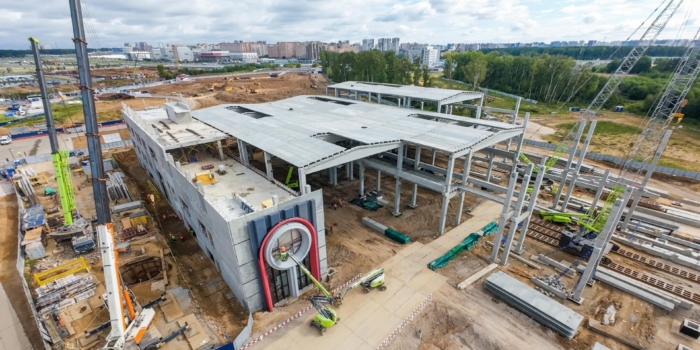
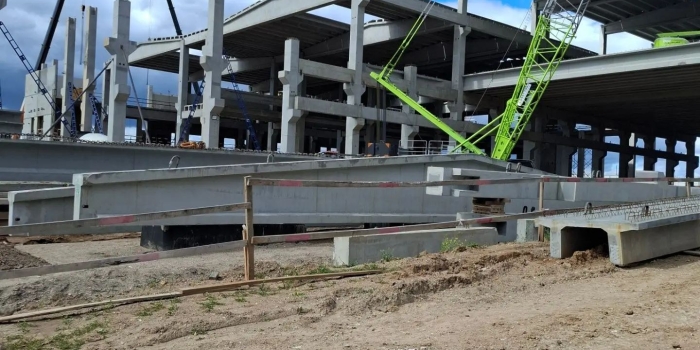
The Head Centre of Competences of the machine-tool industry is being built on the instructions of Prime Minister Mikhail Mishustin, the customer is the Government of Moscow.
The creation of the centre is part of the federal project «Development of the machine-tool industry», which is included in the national project «Means of production and automation».
The task of building the centre is to ensure Russia’s technological sovereignty in the machine-tool industry: to build a full production cycle of equipment for the industry, introduce advanced technologies and train professional qualified personnel.
The Head Centre of Machine-Tool Competences, using the high research, technical and design potential of Moscow State Technological University Stankin, will develop design documentation for machine-tool equipment, manufacture parts and assemblies, carry out unit and general assembly of pilot samples of machine tools and their units, as well as perform a wide range of works for enterprises of the machine-tool complex and other industries.
The HCC is a production building and an engineering centre with a total area of more than 18,500 sq. m. The production is equipped with modern automated and programmable equipment, which makes it possible to design quickly, reconfigure, ensure accuracy and repeatability, and manufacture the required products with high productivity. Having its own engineering centre will make it possible to develop products for the machine-tool industry of various complexity from initial data in a short time and put them into production.
The centre will have a staff of engineering and technical personnel and qualified workers, and will also perform functions for the development of the university’s human and scientific potential by involving students, master’s students and postgraduate students in work on modern equipment.